
Qatar Real Estate Market 2026: Prices, Yields and Where the Smart Money Is Going
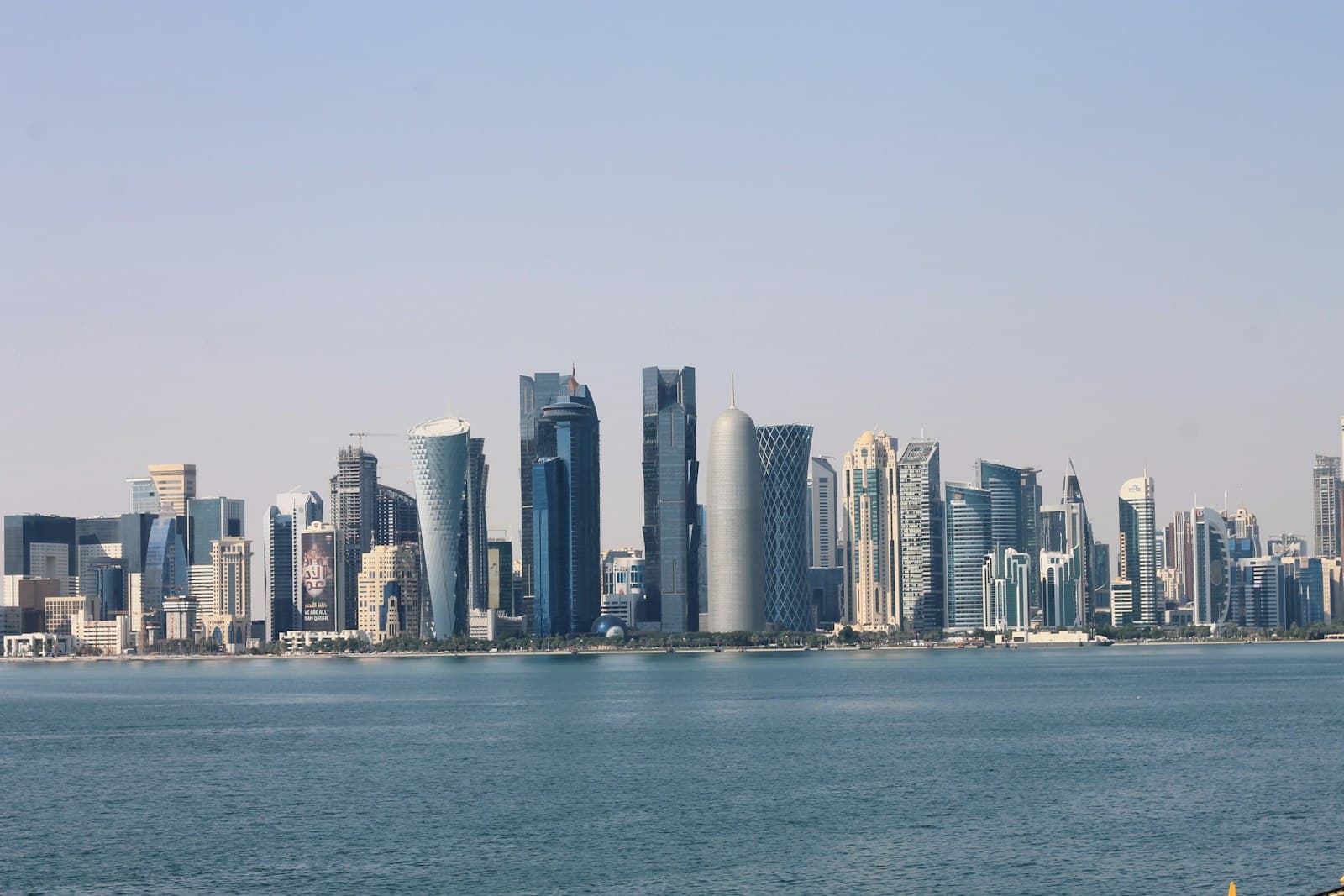
Qatar's property market entered 2026 in a different mood than it left 2024. The post-World Cup supply wave has been absorbed, foreign ownership rules have widened, and the conversation among buyers has shifted from "will prices recover" to "which district gets me the best yield". If you are buying a home in Doha or adding a Qatari asset to an investment portfolio, these are the numbers and the forces that matter this year.
The headline numbers
Qatar's luxury residential segment is valued at roughly USD 4.8 billion in 2026, with forecasts putting it near USD 10 billion by 2035 — a compound growth rate of about 8.7% a year. Transaction values started the year strongly, with the sector clearing around USD 744 million in the opening period.
What those figures describe is a market that has stopped falling and started sorting itself. Prime waterfront stock in The Pearl-Qatar, Lusail Marina and West Bay Lagoon is holding value and, in the best towers, appreciating. Older inland apartment stock with dated finishes is still competing on price. The average across the market hides that split, which is why area-level research matters more in Qatar right now than any national index.
What changed: freehold went wider
The single biggest structural change for international buyers is the expansion of freehold ownership. Foreign nationals can now buy freehold property in nine designated zones — The Pearl-Qatar, Lusail City and West Bay Lagoon among them — with a further 16 areas open on a usufruct basis, typically a 99-year right of use.
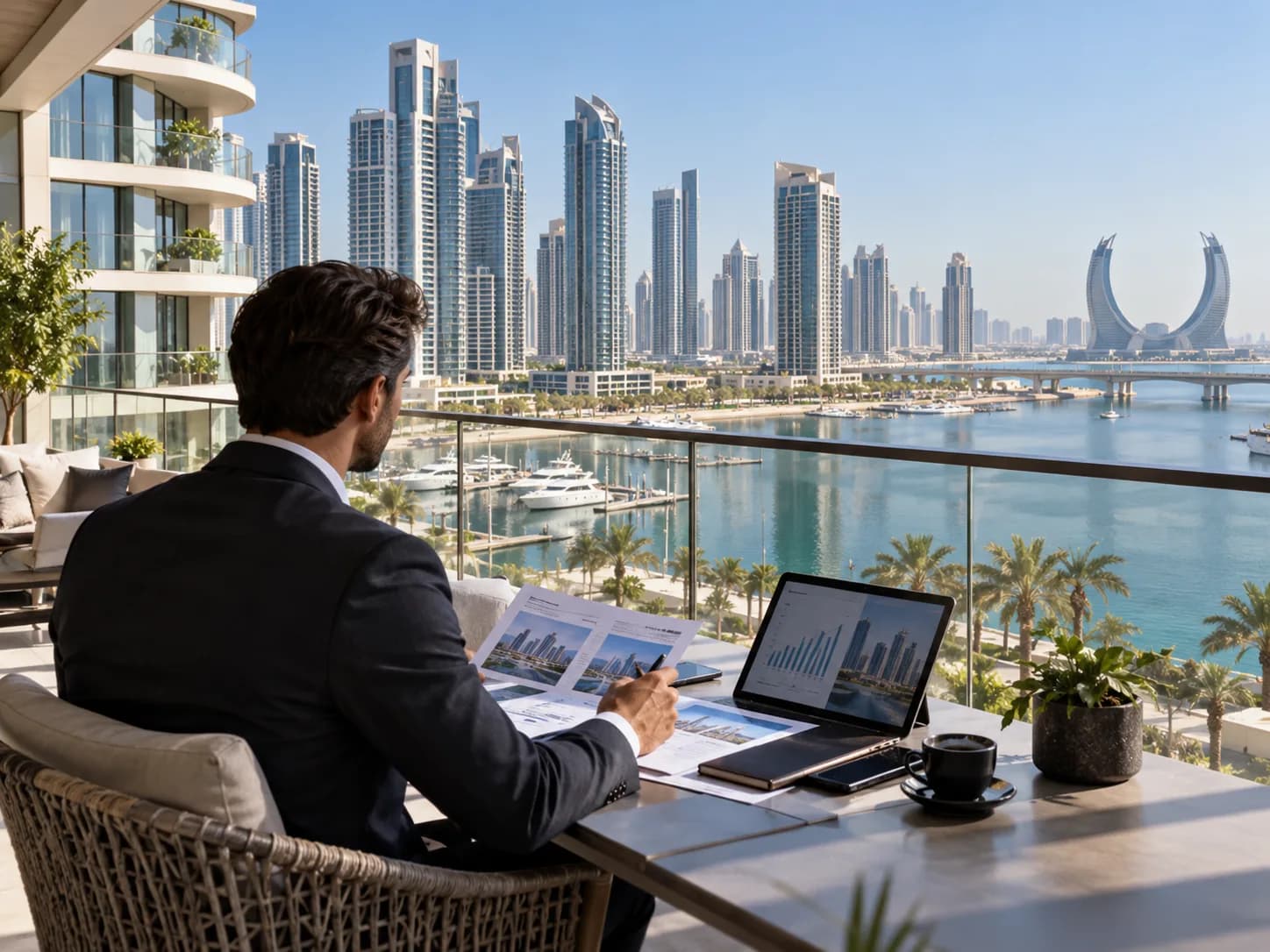
That matters for two reasons:
Financing and resale.
A freehold title is a cleaner asset to mortgage and a simpler one to sell on to the next international buyer.
Residency.
Buying qualifying freehold property at or above QAR 730,000 (roughly USD 200,000) carries a renewable five-year residency permit for the owner and immediate family.
Qatar levies no annual property tax and no capital gains tax on disposal. For an investor comparing Gulf markets, that tax profile does a lot of work in the net-return calculation, and it is the reason so many yield comparisons that look close on paper separate once you model them after tax.
Where demand is concentrating
Lusail City
Lusail continues to attract the most attention, and for structural reasons rather than hype. The district inherited genuine World Cup infrastructure — the metro line, the marina, the boulevard, the stadium precinct — and is filling in with residential towers rather than starting from empty land. Off-plan and newly handed-over units in Lusail Marina are where a lot of 2026 investor money is going.
The Pearl-Qatar
The Pearl remains the reference market for expat waterfront living: Porto Arabia, Viva Bahriyah and the newer Floresta precincts. It has the deepest rental demand pool of any district in the country because it combines freehold title, marina frontage, and a retail and restaurant scene that tenants will pay a premium to live inside.
West Bay and West Bay Lagoon
West Bay is the business district, so its apartment demand tracks corporate leasing. West Bay Lagoon, by contrast, is villa and compound territory — the family end of the market, close to international schools, and one of the tightest supply pockets in Doha.
The value plays
Al Sadd, Bin Mahmoud, Al Muntazah and Old Airport carry the mid-market. Yields here can be competitive because entry prices are far lower, but the buyer profile is different: these are income assets, not capital-growth assets, and unit quality varies enormously building to building.
What buyers should actually do in 2026
The mistake we see most often is buying a district instead of buying a building. In Qatar, two towers on the same street can differ by two full percentage points of yield.
Model the service charge before you model the yield. Gross yields in prime areas run 6–8% in the strongest waterfront locations and 5–7% for well-located apartments generally. Service charges, management fees and void periods take a real bite out of that. Ask for the actual annual service charge per square metre before you sign anything.
Check the handover pipeline in your target tower's immediate radius. A building that is excellent today can face three years of rental pressure if 800 comparable units complete next door.
Get the title category in writing. Freehold and usufruct are both perfectly investable, but they are not the same asset, and the difference should be reflected in the price you pay.
Think in five-year holds. Qatar's transaction costs and the pace at which new districts mature both reward patience. The investors who did well out of the 2022–2025 cycle were the ones who bought quality and waited, not the ones who traded.
The outlook
The base case for 2026 is a market that grows steadily rather than dramatically: absorbing supply, widening its international buyer base as the freehold zones become better known, and rewarding the specific over the general. Population growth, continued infrastructure delivery and the tax position all point the same direction.
For buyers, this is a more comfortable market than 2023 — there is genuine choice and negotiating room. For investors, the returns are there, but they are increasingly earned by unit-level research rather than by simply being in the right country at the right time.
Looking at a specific building or district? Our team tracks transaction-level pricing across Doha's freehold zones — get in touch for the numbers on the tower you are considering, or browse current listings
Stay connected with Abaad Real Estate Services for property updates, market insights, and real estate advice in Qatar.
Follow us on Instagram and LinkedIn for more updates, or visit our official website to explore our real estate services.